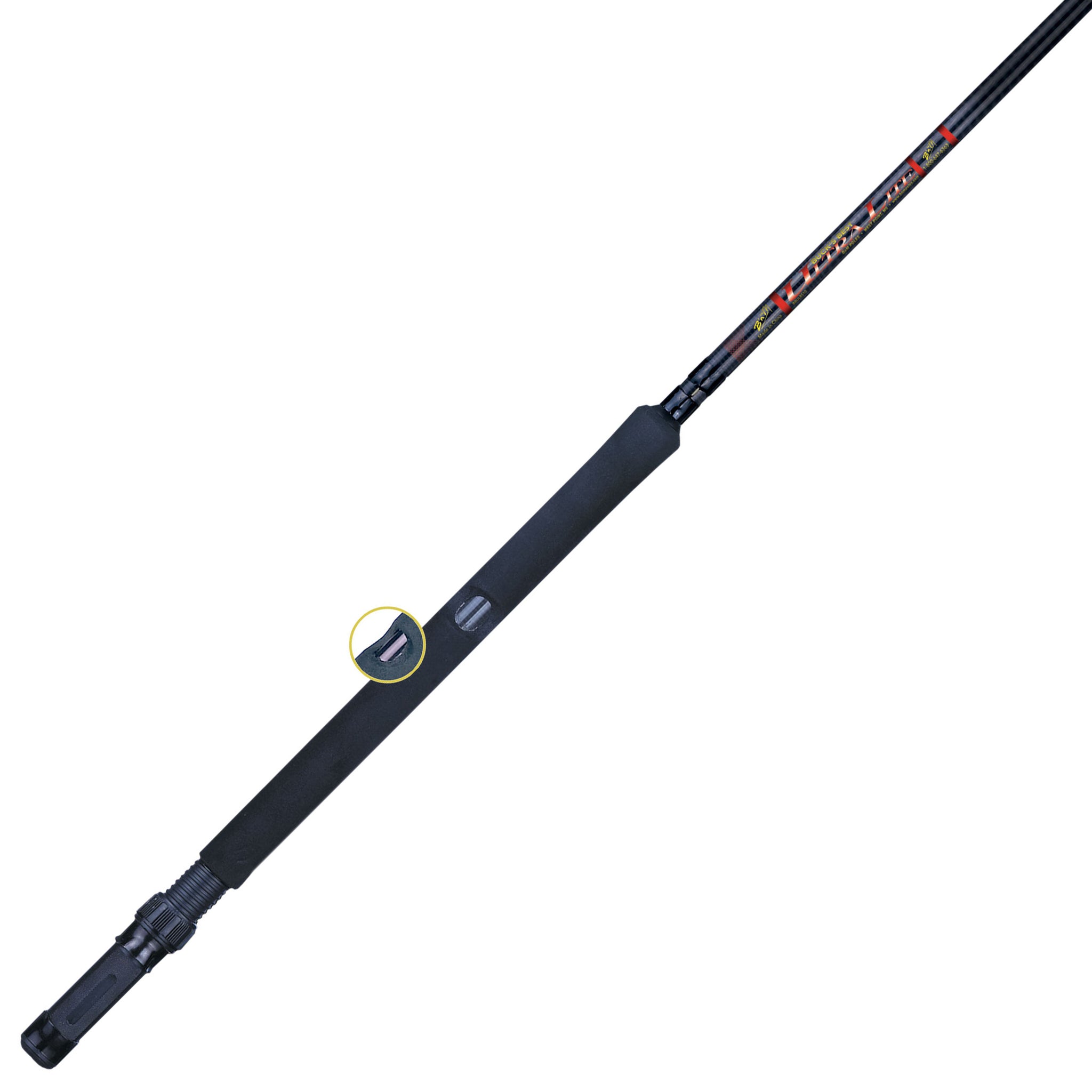
Unfortunately there is a lot of junk and hype on the market today
On the other hand, they tend to have fewer pockets and fewer gear attachment points
Side, front and top pockets keep your essential items tidy and within easy reach, while the durable and water-resistant ripstop nylon fabric will happily embrace a range of uses and environments

In clear water conditions: Maximum light penetration allows all colors to be visible near the surface Red light disappears first, typically around 15-20 feet Orange and yellow fade next, usually by 25-30 feet Green and blue penetrate the deepest Natural colors remain effective longer Flash and reflection play important roles UV light penetration can enhance certain color patterns Light angles affect color perception throughout the day Stained water creates different conditions: Moderate light penetration reduces overall visibility Color filtration occurs more rapidly Contrast becomes increasingly important Bright colors maintain visibility longer Flash and reflection are still effective Silhouettes play a larger role Movement becomes more critical Sound and vibration complement visual cues Muddy water presents extreme conditions: Minimal light penetration severely limits visibility Heavy color filtration occurs immediately Strong contrast is essential Bold colors dominate Silhouettes become critical Flash must be pronounced Sound and vibration become primary attractors Scent plays an increased role Tips for Selecting Lure Colors Based on Water Conditions Adapting to Changing Conditions Water clarity can change throughout the day due to various factors that require constant adaptation in lure selection: Sunlight Intensity Changes: Early morning: Use darker colors for better silhouettes Midday sun: Switch to natural patterns in clear water Overcast conditions: Increase color brightness slightly Evening: Return to darker colors for silhouettes Night fishing: Focus on black or very dark colors Weather-Related Changes: Pre-storm conditions often require brighter colors Post-storm muddy water calls for bold presentations Wind-churned water needs more visible patterns Rain-stained water requires increased contrast Cloud cover affects light penetration Seasonal Variations: Spring runoff brings muddy conditions Summer algae blooms affect clarity Fall turnover changes water clarity levels Winter typically brings clearer water Seasonal baitfish movements affect color choice Testing Different Colors Systematic testing helps identify effective patterns throughout changing conditions: Documentation Methods: Keep a detailed fishing log Note successful color patterns Record water clarity conditions Track weather patterns Monitor seasonal changes Document time of day Record depth of strikes Note structure type Testing Protocol: Start with proven colors for conditions Give each color adequate trial time Note aggressive versus subtle strikes Record fish size and species Track pattern effectiveness Monitor changing conditions Adjust presentation methods Document retrieve speeds Artificial Bait Production and Color Considerations Modern manufacturing techniques have revolutionized artificial lure production, creating more effective and durable options: Advanced Color Technology: UV-reactive materials increase visibility Holographic finishes create realistic flash Metal flake provides enhanced reflection Color-fast pigments ensure longevity Scent incorporation adds attraction Multi-layer color applications Transparent coating protection Color-shifting technologies Material Considerations: Durability of base materials Paint adhesion properties UV resistance factors Water absorption rates Impact resistance Temperature stability Chemical resistance Environmental impact Quality Control Factors: Color consistency between batches Finish durability testing Salt water resistance Fresh water stability Impact testing UV exposure testing Temperature cycling Long-term color retention Conclusion Success in lure color selection depends on understanding and adapting to the complex relationship between water clarity, light conditions, and fish behavior

Front and Side Air Intakes Available (Sold Separately)
FAQs What is the typical lead time for European hook orders